
Understanding Criminal Defense Strategies Tailored for Milwaukee Cases
Michael Levine
Jul 23 2024 18:29
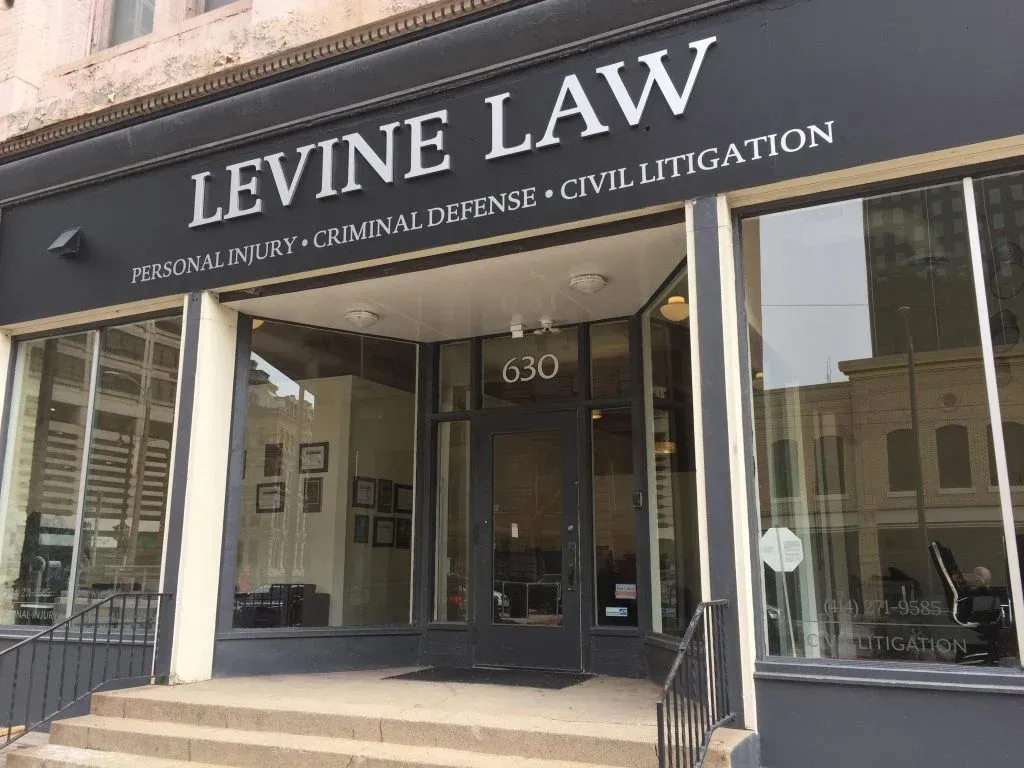
Milwaukee, with its unique legal landscape, requires tailored criminal defense strategies. It is unlike any other county in Wisconsin. The local laws and features of Milwaukee County’s justice system and features of Milwaukee County’s justice system can significantly impact the outcome of a case. Understanding these nuances is crucial for a robust defense. Local criminal defense attorneys, familiar with Milwaukee's legal environment and the Court system, including the District Attorney’s office, are invaluable in navigating the complexities of the criminal justice system. This is why you should look no further than the Milwaukee Criminal Defense law firm of Levine Law.
Experienced local attorneys bring a wealth of knowledge and expertise to the table that lawyers outside Milwaukee do not possess. They understand the local court systems, have established relationships with prosecutors, and are familiar with the tendencies of local judges. This insight allows them to craft effective defense strategies that align with local practices and expectations. Their experience in similar cases provides a strategic advantage, enabling them to anticipate and counter the prosecution’s moves effectively.
Initial Steps in a Criminal Defense Case
When facing criminal charges, the initial steps taken can significantly impact the outcome of the case. The moments following an arrest are critical and require immediate attention. Here are some essential actions and considerations to take when a criminal defense case begins:
- Immediate Actions Post-Arrest
- The moments following an arrest are critical. It’s imperative to contact a lawyer immediately. Quick action can prevent mistakes that might jeopardize the defense. By consulting with an attorney immediately, individuals can ensure their rights are protected from the outset.
- Importance of Contacting a Lawyer Immediately
- A prompt call to an experienced criminal defense lawyer can make all the difference. Immediate legal counsel helps in understanding the charges and the potential consequences. It also allows the attorney to start building a defense strategy immediately, which can be crucial in securing a favorable outcome.
- Avoiding Self-Incrimination (Right to Remain Silent)
- One of the most important rights is the right to remain silent. Anything said can be used against the individual in court. Therefore, avoiding self-incrimination is essential by not speaking to law enforcement without a lawyer present. This protects the individual from inadvertently harming their case.
- Understanding Charges and Legal Rights
- Understanding the specific charges and one’s legal rights is fundamental. A detailed review of the charges helps in crafting a defense strategy that addresses every aspect of the case. It’s also important for the individual to be aware of their rights, such as the right to legal representation and the right to a fair trial.
- Detailed Review of Charges
- A thorough review of the charges is critical, including analyzing the evidence and understanding the legal elements that must be proven for each charge. This step is vital in identifying any weaknesses in the prosecution’s case. It also helps in determining the best course of action, whether it’s negotiating a plea deal, filing motions or preparing for trial.
- Explanation of Rights and Legal Options
- An attorney will explain the individual's rights and the legal options available. This includes discussing potential defenses, the likelihood of various outcomes, and the steps involved in the legal process. Understanding these options allows the individual to make informed decisions about their defense strategy.
Building a Defense Strategy
Reviewing Case Documents and Evidence
- Reviewing all case documents and evidence is a critical step in building a defense. This includes police reports, witness statements, and any physical evidence. A meticulous review can uncover inconsistencies or errors that could be beneficial to the defense.
- Gathering additional evidence to support the defense is equally important. This might involve hiring private investigators, obtaining expert testimonies, or finding new witnesses. Analyzing this evidence thoroughly ensures that no stone is left unturned.
- Thorough documentation is essential in building a solid defense. This includes keeping detailed records of all communications, evidence, and legal filings. Proper documentation helps in constructing a coherent narrative and can be crucial during negotiations or in court.
Negotiation and Pre-Trial Strategies
Establishing a Rapport with the Prosecutor
Building a professional relationship with the prosecutor is crucial. A skilled criminal defense attorney in Milwaukee understands the value of maintaining a respectful and professional rapport with the prosecution. This relationship can facilitate productive negotiations and may lead to more favorable outcomes for the defendant.
Importance of a Professional Relationship with the Prosecution
Establishing trust and mutual respect with the prosecutor can open doors to more constructive dialogue. It can lead to opportunities for negotiating plea deals or discussing alternative resolutions. A professional relationship ensures that communication remains open and productive, which is essential for a successful negotiation process.
Exploring Plea Deals and Diversion Programs
Plea deals and diversion programs are often viable options in criminal cases. These alternatives can provide a less severe outcome than going to trial. However, each option comes with its own set of pros and cons.
Weighing the Pros and Cons of Plea Bargains
Plea bargains can result in reduced charges or lighter sentences. They save time and reduce the uncertainty of a trial. However, accepting a plea bargain means acknowledging guilt, which can have long-term consequences. It’s essential to weigh these factors carefully.
Eligibility and Benefits of Diversion Programs
Diversion programs offer an opportunity to avoid traditional prosecution. Eligibility for these programs varies, but they typically benefit first-time offenders or those charged with minor offenses. Successful completion of a diversion program can lead to the dismissal of charges, helping to avoid a criminal record.
Emphasizing Strengths and Weaknesses
Highlighting the strengths of the defense and identifying the weaknesses in the prosecution’s case are critical strategies. This involves a detailed analysis of all evidence and leveraging any inconsistencies or errors to the defendant’s advantage.
Highlighting Strong Points of the Defense
During negotiations, it’s important to emphasize the strengths of the defense. This might include alibi evidence, credible witnesses, or any exculpatory evidence that can undermine the prosecution's case.
Identifying and Exploiting Weaknesses in the Prosecution's Case
A thorough review of the prosecution’s evidence can reveal weaknesses. These could be procedural errors, unreliable witnesses, or insufficient evidence. Exploiting these weaknesses can be pivotal in securing a favorable outcome.
Courtroom Defense Tactics
Pre-Trial Motions
Filing pre-trial motions is a key tactic in criminal defense. These motions can shape the course of the trial by potentially dismissing or suppressing critical evidence.
Filing Motions to Dismiss or Suppress Evidence
Motions to dismiss challenge the legal basis of the charges, while motions to suppress seek to exclude evidence obtained unlawfully. Success in these motions can significantly weaken the prosecution’s case.
Jury Selection
Jury selection is a strategic process. It involves selecting jurors who are likely to be sympathetic to the defense while challenging those who may hold biases.
Strategic Selection of Jurors Sympathetic to the Defense
Attorneys use voir dire to question potential jurors about their backgrounds and biases. The goal is to select a jury that is open-minded and fair, increasing the chances of a favorable verdict.
Trial Strategies
Crafting a compelling narrative and employing effective cross-examination techniques are vital during the trial. These strategies help in presenting a coherent and persuasive defense.
Crafting a Compelling Narrative
A strong narrative can influence the jury’s perception. It involves presenting the defendant’s story in a way that is logical, relatable, and supported by evidence.
Effective Cross-Examination Techniques
Cross-examination is an opportunity to challenge the prosecution’s witnesses and undermine their credibility. Effective techniques include asking pointed questions and highlighting inconsistencies in their testimony.
Specific Defense Areas
- DUI and OWI Defense
- Understanding local DUI laws and penalties is essential for crafting a defense. Challenging BAC results and field sobriety tests can be effective strategies in these cases.
- Understanding Local DUI Laws and Penalties
- Milwaukee’s DUI laws have specific penalties that vary based on the offense’s severity and the defendant’s history. Familiarity with these laws is crucial for building a defense.
- Strategies for Challenging BAC Results and Field Sobriety Tests
- Defense strategies may include questioning the accuracy of BAC results or the administration of field sobriety tests. This can involve challenging the calibration of testing equipment or the qualifications of the officer administering the tests.
- Drug Crime Defense
- Defenses against drug charges can vary widely. They may involve challenging the legality of the search and seizure or negotiating deferred prosecution agreements.
- Defenses Against Possession and Distribution Charges
- Common defenses include arguing that the defendant did not possess the drugs, that the drugs were for personal use, or that the search was illegal.
- The Role of Deferred Prosecution Agreements
- Deferred prosecution agreements allow defendants to avoid trial by complying with certain conditions. Successful completion of these agreements can result in the charges being dropped.
- Violent Crime Defense
- Defending against charges of assault, battery, and homicide requires a nuanced approach. These cases often hinge on the specific circumstances and available evidence.
- Approaches to Defending Assault, Battery, and Homicide Cases
- Strategies may include self-defense claims, questioning the credibility of witnesses, or presenting alibi evidence. Each case requires a tailored approach based on its unique facts.
- White Collar Crime Defense
- White-collar crime defense involves strategies for fraud, embezzlement, and other financial crimes. These defenses often focus on the intent and knowledge of the defendant.
- Strategies for Defending Against Fraud, Embezzlement, and Other Financial Crimes
- Defenses may include proving a lack of intent to commit the crime, demonstrating that the defendant was following company procedures, or challenging the prosecution’s interpretation of financial records.
- Sex Crime Defense
- Defending against sex crime charges requires challenging the credibility of accusers and handling the stigma associated with these charges.
- Importance of Challenging the Credibility of Accusers
- Sex crime cases often rely heavily on the testimony of the accuser. Challenging their credibility can be a crucial part of the defense strategy, including presenting evidence that contradicts their statements or motives for false accusations.
- Handling the Stigma and Collateral Consequences
- Sex crime accusations carry significant stigma and potential collateral consequences, such as registration as a sex offender. Effective defense strategies address these issues directly, aiming to mitigate the impact on the defendant’s life.
Post-Trial Considerations
Appeals and Sentencing Mitigation
Once a conviction has been rendered, the next step is to consider post-trial options such as appeals and sentencing mitigation. These avenues provide opportunities to challenge or lessen the impact of a conviction.
Grounds for Appealing a Conviction
There are specific grounds on which a conviction can be appealed. These may include procedural errors, misinterpretation of the law, juror misconduct, or new evidence that was not available during the original trial. Identifying valid grounds for appeal is crucial. An experienced attorney will meticulously review the trial proceedings to identify any errors or injustices that occurred, providing a basis for the appeal.
Strategies for Reducing Sentences
If an appeal is not possible or is unsuccessful, reducing the sentence may be the next best option. Sentencing mitigation strategies can include presenting evidence of the defendant's good character, demonstrating remorse, highlighting mitigating circumstances, or showing that the sentence is disproportionately harsh. Post-conviction motions can be filed to argue for a reduced sentence based on these considerations.
Expungement of Criminal Records
Expungement is a legal process that allows for the sealing or destruction of criminal records. This process can help individuals move forward without the burden of a criminal record, but it is only available in certain cases..
Process and Eligibility for Expungement in Wisconsin
In Wisconsin, not all convictions are eligible for expungement. Generally, it is available for certain misdemeanors and non-violent felonies committed by individuals under the age of 25 and at the time of sentencing, the Court must make the individual eligible. . An attorney can assist with determining eligibility and navigating the expungement process, ensuring all legal requirements are met.
Securing the Best Outcome in Milwaukee Criminal Cases
The complexities of the criminal justice system necessitate skilled legal representation. An experienced attorney can significantly impact the outcome of a case, from initial defense strategies to post-trial considerations.
Effective criminal defense involves several key strategies, including a thorough review of evidence, strong pre-trial motions, strategic negotiation, and meticulous trial tactics. Each step is crucial in building a solid defense and achieving the best possible outcome.
Given the high stakes involved in criminal cases, it is vital to seek experienced legal counsel. A knowledgeable defense attorney not only provides expert guidance through each phase of the legal process but also ensures that the defendant's rights are protected and that they receive a fair trial. If facing criminal charges, securing the services of a skilled criminal defense lawyer is the first step toward a robust defense and a favorable resolution