
Understanding Juvenile Rights in the Wisconsin Court Process
Jonathan Cattey
Sep 16 2026 13:00
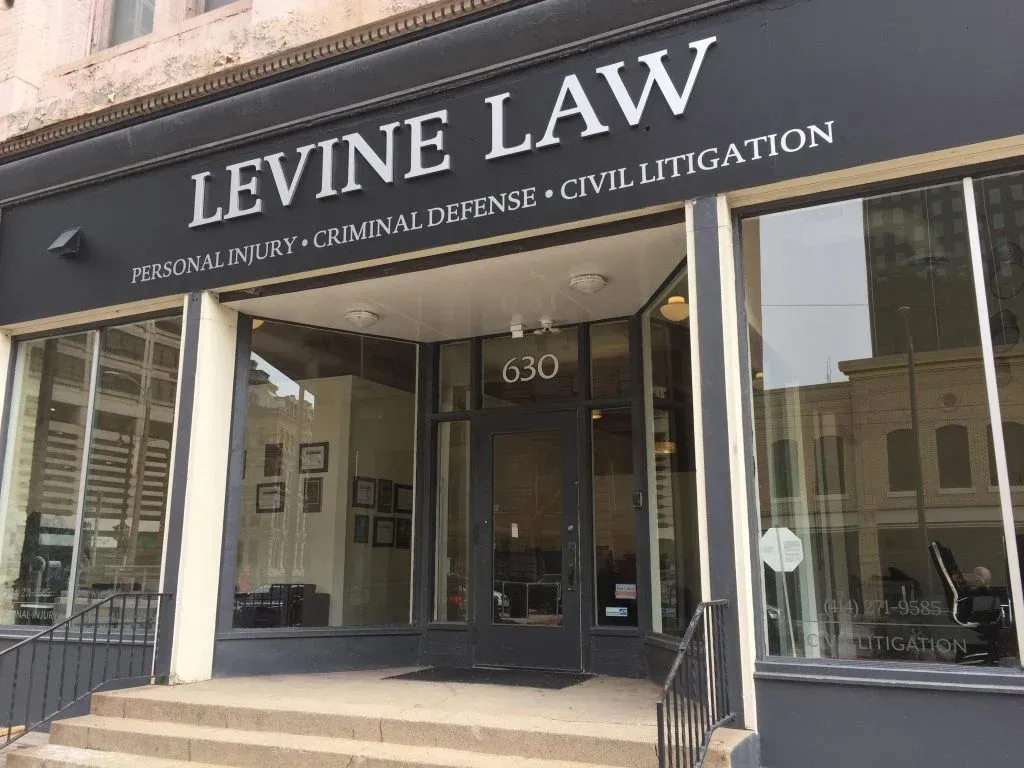
When a young person is accused of violating the law, families often struggle to make sense of what lies ahead. The system can feel overwhelming, especially for parents trying to protect their child while also navigating their own responsibilities. Although these situations involve claims of unlawful conduct, the juvenile court process is very different from the adult criminal system. As a Milwaukee law firm with extensive experience in juvenile matters, our team at Levine Law LLC frequently guides families through these moments.
The purpose of the juvenile system is primarily rehabilitative. While accountability is still part of the process, the focus is often on helping kids learn from missteps, address underlying challenges, and move forward productively. Even so, a juvenile case can influence school, family life, future opportunities, and long-term outcomes. That is why understanding a child's rights and the steps that may follow is essential from the very beginning.
Many Juvenile Incidents Do Not Become Court Cases
It is common for families to assume that any interaction with the police will automatically lead to a court case. In reality, many situations never reach that point. Depending on the specifics, officers may issue a warning, release the child to a guardian, or forward the matter for additional review rather than beginning a formal juvenile petition.
In other cases, an intake worker, probation office, or prosecutor reviews the situation first. They often consider factors such as the child's age, prior incidents, how serious the accusation is, available evidence, and the overall circumstances at home. Because every case is different, some situations are dismissed, handled informally, or steered toward non-court options instead of moving directly into the justice system.
For these reasons, families should avoid assuming that a police encounter dictates the final outcome. As juvenile defense attorneys in Milwaukee, we frequently see matters resolved long before a court date is even scheduled.
Juveniles Have Critical Rights During Police Questioning
One of the most important legal protections for minors involves police questioning. If a child is detained and officers begin an interview, the minor typically has the right to remain silent and the right to consult with an attorney. These rights are essential, especially because young people often feel pressure to explain themselves or attempt to fix the situation on their own.
A child may believe that cooperating or offering details will clear things up quickly. Unfortunately, statements given under pressure can carry serious consequences later. Before answering questions, it is vital for a child to have proper legal guidance. Speaking without advice can unintentionally harm their case, even when they are trying to be helpful.
Children should also understand that simply telling their side of the story does not guarantee the matter will disappear. Understanding their rights before they talk can help protect them throughout the process. As Milwaukee juvenile criminal lawyers, we regularly advise families about how to approach these conversations safely.
Parents and Guardians Must Be Informed
When a minor is taken into custody, officers are usually required to make reasonable efforts to notify a parent or guardian. Although each state has its own rules, informing the family is a crucial part of how juvenile cases are handled.
In many situations, the child may also be allowed to call a parent, guardian, or attorney. However, it is important for families to know that calls from custody are often recorded, meaning those conversations may not be private. Because of this, families should use caution when discussing the situation until they have spoken with legal counsel.
Clear communication early on between the child, family members, and a lawyer helps everyone better understand the situation and determine the next steps. As a greater Milwaukee area law firm, we regularly help families sort through these early moments so they feel informed and supported.
The Right to Understand the Allegations
Due process protections apply in juvenile court just as they do in adult proceedings. If the case moves forward, the child and their family must be informed of the allegations being made. This notice is essential because it allows the child and parents to understand what conduct is being questioned and prepare an appropriate response.
Without clear information about the claims, it becomes nearly impossible to evaluate evidence, identify possible defenses, or make thoughtful choices about how to proceed. Notice requirements help maintain fairness and ensure juveniles have an opportunity to meaningfully participate in their defense.
Our Milwaukee lawyers routinely help families interpret these notices, understand what they mean, and prepare for what comes next.
Diversion and Informal Alternatives
Certain juvenile cases qualify for diversion or informal resolutions. These programs offer a way to address concerns without going through the full formal court process. They are designed to hold young people accountable while also keeping them connected to support systems and services.
Depending on the circumstances, a child may need to complete counseling, classes, community service, restitution, monitoring, or similar requirements. When the child successfully completes the agreed‑upon steps, the case may be closed without moving forward in the court system.
However, these programs must be taken seriously. Missing appointments, ignoring obligations, or facing new allegations can cause the case to shift into formal court proceedings. As juvenile court lawyers in Milwaukee, we help families understand what is expected and how to stay compliant.
If the Case Reaches Juvenile Court
If a formal petition is filed, the court begins evaluating whether the child should be adjudicated delinquent. Although adjudication is not the same as an adult conviction, it can still carry meaningful consequences, including conditions the child must follow and potential long‑term effects.
During the adjudication hearing, both sides may present evidence and call witnesses. Instead of a jury, the judge typically decides whether the allegations have been proven. Throughout the process, the child retains key rights, including access to counsel, the ability to challenge evidence, and the right to question witnesses.
These protections help ensure that the process remains fair and that the child's voice is heard. As a Milwaukee criminal defense attorney team experienced in juvenile matters, we work to safeguard these rights at every stage.
Why Legal Representation Is So Important
Juvenile cases can move quickly, and early decisions often shape the entire outcome. Having an attorney involved from the start can help families understand their rights, analyze the evidence, identify procedural issues, and explore available options.
A knowledgeable lawyer can also advocate for resolutions that support the child's future, whether the case involves a diversion program, a formal petition, detention concerns, or court hearings. Even in situations that seem minor, legal guidance can make a significant difference in protecting the child's long‑term interests.
No two juvenile matters are the same, and state‑specific laws can heavily influence how a case unfolds. If your family is facing a juvenile legal issue, consulting with an experienced team like ours at Levine Law Milwaukee can provide clarity, reassurance, and a path forward. Reach out to us to discuss your situation with our Milwaukee juvenile defense attorneys and learn how we can help your family navigate the road ahead.